ACX Requirements Explained: How to Pass the Quality Check First Time
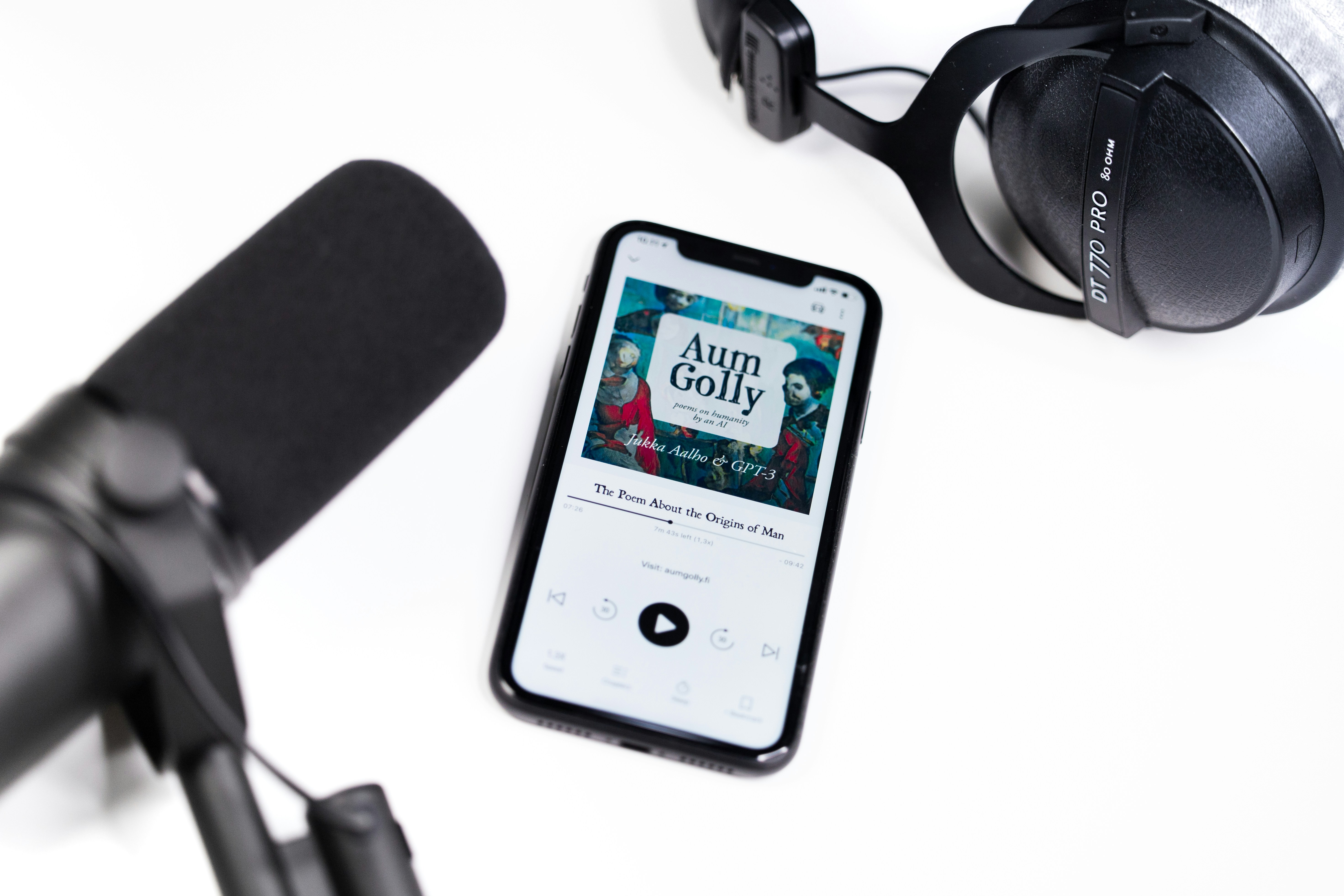
ACX — Audiobook Creation Exchange — is how most independent voice actors get their audiobooks onto Audible, Amazon, and iTunes. The technical quality bar is strict, and it catches out a lot of voice actors who are otherwise perfectly capable performers. Understanding exactly what ACX is measuring makes passing it straightforward.
The three ACX technical requirements
ACX evaluates every submitted file against three specific measurements. Miss any one of them and the file is rejected, often with minimal explanation.
1. Integrated loudness: −18 to −23 LUFS
LUFS (Loudness Units Full Scale) is a perceptual loudness measurement that accounts for how humans actually hear volume. ACX requires your finished audio to measure between −18 and −23 LUFS integrated — measured across the entire file, not just peaks.
Most untreated recordings land between −12 and −16 LUFS, which is louder than the ACX window. In other words, raw recordings are almost always too loud for ACX, not too quiet — which surprises most people. You need to normalise down to hit the target range.
2. Maximum true peak: −3 dBTP
True peak is different from standard peak metering. It accounts for inter-sample peaks — brief moments of distortion that happen between samples when audio is converted from digital to analogue. ACX requires no true peak above −3 dBTP.
If you've been recording with peaks at −6 dBFS (standard practice), you're fine. If you've been recording hot — peaks hitting −3 or higher — your true peaks will likely exceed −3 dBTP after loudness normalisation processing.
3. Noise floor: −60 dBFS or lower
This is the one that fails the most submissions. ACX requires that the noise floor (the level of sound in the silence between words) is at or below −60 dBFS. This is extremely quiet. Most home studios without treatment have noise floors of −45 to −55 dBFS — failing ACX by a meaningful margin.
Sources that push the noise floor above −60 dBFS:
- Air conditioning or heating systems — even distant ones
- Computer fan noise picked up by the microphone
- Electrical hum (50Hz in the UK/Europe, 60Hz in the US)
- Traffic or ambient outdoor noise
- Interface or cable noise — particularly noticeable with high-gain settings
CleanCut VO's ACX preset hits all three targets in a single pass — integrated loudness, true peak, and noise floor. Upload and get ACX-ready audio in under 60 seconds.
Try CleanCut VO Free → No credit card needed · 7-day free trial · Results in under 60 secondsRoom tone: what it is and why ACX needs it
ACX requires that each audio file begins and ends with at least 0.5 seconds of room tone — silence recorded in your recording environment, not digital silence. Room tone is your space with no one speaking: the natural ambience of the room captured on the mic.
This is used by Audible's playback system and by QC engineers to verify the noise floor. If you submit files with digital silence (dead zero) at the beginning and end, they can't measure the noise floor correctly and will reject the file. Always record 1–2 seconds of silence before and after each take, and keep it in the export.
Why files fail ACX even after processing
The most common reasons for ACX rejection after attempted processing:
- Over-compressed audio — heavy noise reduction or compression can push the noise floor below −60 dBFS but introduces artifacts that QC engineers catch on listening review, even if the meters pass
- Inconsistent loudness across chapters — each chapter file is evaluated separately. A chapter that was recorded on a different day with slightly different gain settings may miss the −18 to −23 LUFS window even if other chapters passed
- Missing room tone — hard cuts to digital silence at the start or end of a file
- MP3 encoding artifacts — ACX accepts MP3 at 192kbps CBR (prices checked May 2026). Files encoded at lower bitrates introduce artifacts that sometimes push true peak above −3 dBTP
The fastest way to hit ACX spec consistently
Manual processing in a DAW — noise reduction plugin, loudness meter, true peak limiter — works, but it's time-consuming to get right and easy to get wrong. A misconfigured limiter threshold, an aggressive noise reduction pass, or forgetting to measure in LUFS integrated (not momentary) all lead to failed submissions.
CleanCut VO's Full Polish with ACX preset processes noise reduction, loudness normalisation to the ACX window, and true peak limiting in a single automated pass. The output is measured against ACX spec on export — integrated loudness, true peak, and noise floor are all verified before the file is returned. It's the reliable way to hit spec consistently across a full audiobook, not just a single chapter.
ACX quality check: the human review
After the automated technical check passes, a human reviewer at Audible listens to the audio. They're checking for:
- Consistent performance quality throughout the chapter
- No audible artifacts from over-processing (the underwater effect from heavy noise reduction)
- No clicks, pops, or edit points that weren't caught by the submitter
- Consistent pacing and silence handling across the file
This is why gentle, well-calibrated processing outperforms aggressive processing even when both pass the technical check. A file that just squeaks past −60 dBFS with heavy noise reduction will sound processed. A file recorded in a well-treated room with light processing sounds clean and natural.
Get ACX-compliant audio on every submission. CleanCut VO hits all three ACX targets automatically.
Try CleanCut VO Free → No credit card needed · 7-day free trial · Results in under 60 seconds